

Explore the world of wildlife with us
Join Carolina's Concealed Wildlife Removal LLC on a journey to understand the amazing creatures we share our environment with. Learn about their habits, their beauty, and why sometimes, professional help is needed to ensure both their safety and yours.
explore the wildlife animals/ know the signs
Carolina’s Concealed Wildlife Removal LLC
Protecting homes across the Carolinas with safe, honest, and dependable wildlife removal services.
At Carolina’s Concealed Wildlife Removal LLC, we understand how stressful wildlife problems can be. Whether you’re hearing noises in the attic, dealing with unwanted animals around your property, smelling a dead animal, or trying to prevent future damage, our team is here to help every step of the way.
We pride ourselves on doing more than just removing animals — we focus on educating our customers, providing long-term solutions, and making sure every homeowner feels informed and taken care of throughout the entire process.
What We Offer
- Humane Wildlife Removal
- Free Inspections
- Dead Animal Removal
- Wildlife Prevention & Exclusion
- Solar Panel Protection
- Entry Point Sealing
- Attic & Crawl Space Inspections
Why Homeowners Trust Us
We quietly work hard and let our results speak for themselves. Our customers choose us because we:
- Explain every step clearly
- Provide honest recommendations
- Focus on long-term protection
- Treat every home with care and respect
- Take pride in getting the job done right
We don’t believe in quick fixes or confusing homeowners. We believe in real solutions, dependable work, and building trust with every customer we serve.
Our Mission
Our mission is simple: protect homes, solve wildlife problems the right way, and provide peace of mind for families across the Carolinas.
If you’re dealing with unwanted wildlife, bad odors, property damage, or animals returning again and again, Carolina’s Concealed Wildlife Removal LLC is ready to help with professional service you can count on.
Racoons
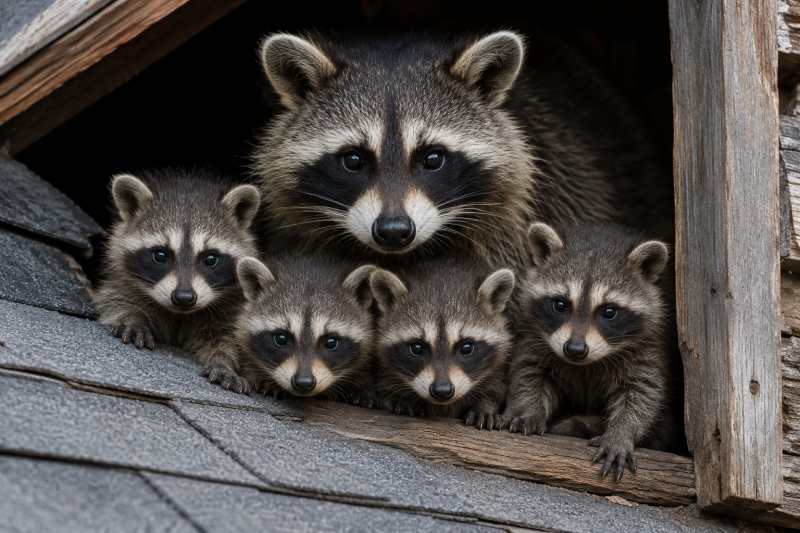
Raccoons are one of the most common wildlife problems homeowners face across the Carolinas. While they may seem harmless from a distance, raccoons can cause serious damage to homes, attics, roofs, insulation, crawl spaces, and even solar panels if left untreated.
At Carolina’s Concealed Wildlife Removal LLC, we specialize in safe, humane raccoon removal along with long-term prevention solutions designed to protect your home and keep raccoons from returning.
Common Signs of a Raccoon Problem
Raccoons are highly intelligent and extremely destructive when they enter a home. Many homeowners first notice:
- Heavy thumping or walking noises in the attic
- Scratching sounds in walls or ceilings
- Torn shingles or roof damage
- Damaged vents or soffits
- Strong odors from urine or feces
- Insulation damage
- Raccoons seen around the roofline or trash areas
Raccoons are most active at night, which is why many homeowners hear noises after dark.
1. Loud noises at night
- Heavy thumping, walking, or dragging sounds
- Much louder than squirrels
- Most active at night (nocturnal), especially late evening
🧻 2. Torn insulation and messy nesting areas
- Insulation shredded or pushed aside
- Large nests made of leaves, paper, or insulation
- Often found in attics, chimneys, or crawlspaces
🚪 3. Damaged entry points
- Torn shingles, soffits, vents, or roof edges
- Holes widened over time (raccoons are strong)
- Scratches around openings from climbing
🐾 4. Large paw prints or tracks
- Human-like hand prints (very distinctive)
- Often found in mud, dust, or around trash cans
🗑️ 5. Garbage and outdoor mess
- Overturned trash cans
- Garbage scattered across yard
- Food containers ripped open
💩 6. Droppings (very important sign)
- Larger than squirrel droppings
- Often found in “latrine” areas (they reuse spots repeatedly)
- Strong, foul odor
⚠️ Raccoon feces can carry parasites, so avoid touching it directly.
🐾 7. Strong odor in the home
- Musky, ammonia-like smell
- Gets worse over time in enclosed spaces
- Comes from urine, droppings, and nesting materia
Squirrels

Squirrels are small, energetic rodents found in many parts of the world, especially in forests, parks, and even neighborhoods. They’re one of the most familiar wild animals people see every day.
Squirrels belong to the rodent family and are known for their quick movements, bushy tails, and ability to climb trees with ease. The most common type in the U.S. is the eastern gray squirrel, but there are also fox squirrels, red squirrels, and flying squirrels.
Squirrels are mostly omnivores, but they prefer plant-based foods:
- Acorns, nuts, and seeds
- Fruits and berries
- Mushrooms
- Tree bark and buds
- Occasionally insects or eggs
A big part of their behavior is “caching”—hiding food in different spots to eat later.
common signs of a squirrels problem
1. Scratching or running sounds in the attic
- Most common complaint
- Sounds like light running, scratching, or rolling
- Usually happens early morning or late afternoon
🔧 2. Chewed wood, vents, or siding
- Squirrels constantly gnaw to keep teeth short
- Look for:
- Chewed roof edges
- Damaged soffits or fascia boards
- Holes near vents or chimneys
⚡ 3. Chewed wires or insulation damage
- Very serious sign
- Can create fire hazards
- Insulation may look torn up or scattered
🪹 4. Nesting material in hidden areas
- Leaves, twigs, shredded insulation
- Found in:
- Attics
- Wall voids
- Chimneys
💩 5. Droppings and odor
- Small dark pellet-like droppings
- Strong musky smell in closed spaces
🐾 6. Visible squirrel activity near the roof
- Repeated running along rooflines
- Entering/exiting the same spot
- Frequent chewing around one area
🌰 7. Food storage signs
- Nuts or acorns stored in attic corners or insulation
- Rustling sounds from stored food caches
Bats
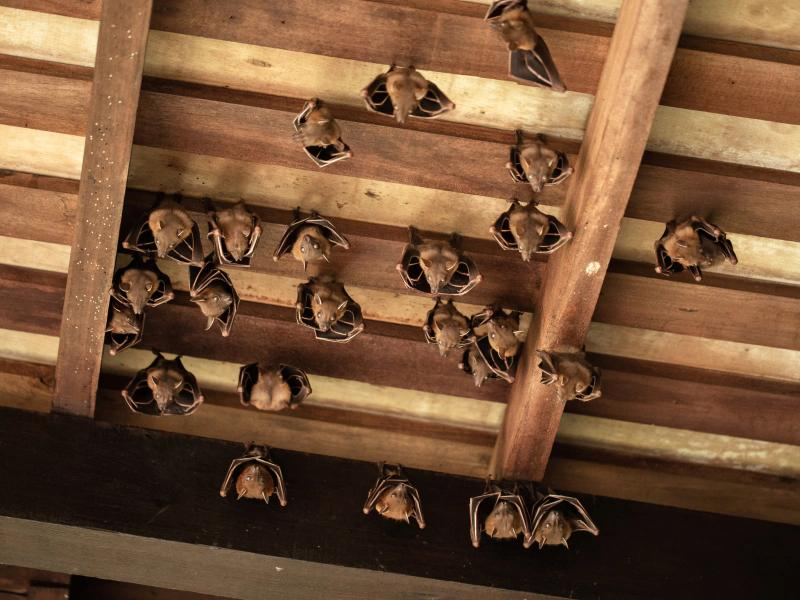
Bats are small, nocturnal animals that often roost in attics, chimneys, and wall spaces. While they help control insect populations, they can become a serious problem when they move into a home.
🏠 Why bats enter homes
Bats are looking for:
- Warm, dark, quiet spaces
- Safe places to raise babies
- Small entry gaps (as small as a dime)
Common entry spots:
- Roof vents
- Soffits and fascia boards
- Chimneys
- Gaps in siding or roofing
common signs of Bats
1. Nighttime sounds
- High-pitched squeaking
- Fluttering wings in walls or attic
- Scratching or light movement after dark
💩 2. Bat droppings (guano)
- Small, dark pellets (often shiny or crumbly)
- Found under entry points or in attic spaces
- Strong ammonia-like smell
🧴 3. Strong odor
- Musty or sharp smell
- Gets worse in warm weather or closed spaces
🧷 4. Grease or stains near entry points
- Dark smudges around roof edges or vents
- Caused by repeated bat entry/exit
🪶 5. Visible bat activity
- Bats flying out at dusk
- Droppings on porches, siding, or windows
- Occasional dead bats in or near the home
opossum
What is an opossum?
Virginia opossum are nocturnal mammals commonly found throughout the United States, including the Carolinas. They are the only marsupial native to North America, meaning females carry and raise babies in a pouch similar to kangaroos.
Opossums are generally shy, slow-moving animals that prefer avoiding confrontation. They are most active at night and spend much of their time searching for food and shelter.
🐾 Appearance
Opossums are easy to recognize because of their:
- White or pale face
- Long pointed snout
- Grayish fur
- Hairless tail
- Dark round ears
Adults typically grow:
- 2–3 feet long including the tail
- 8–14 pounds on average
🌙 Behavior & habits
Opossums are:
- Nocturnal (active at night)
- Solitary animals
- Excellent climbers
- Slow walkers but good swimmers
One of their most famous behaviors is “playing dead” when threatened. This is an involuntary defense response where the opossum appears lifeless to avoid predators.
🍽️ What opossums eat
Opossums are opportunistic omnivores and eat a wide variety of foods:
- Insects
- Fruits and berries
- Small rodents
- Bird eggs
- Pet food
- Garbage and scraps
- Carrion (dead animals)
Because they eat insects and carrion, they can actually help reduce pests in some environments.
Opossums prefer dark, protected shelter areas such as:
- Crawlspaces
- Under decks and porches
- Sheds and barns
- Hollow logs or brush piles
- Occasionally attics or garages
They are commonly attracted to homes by food, water, and shelter opportunities.
Interesting facts:
- Babies are born extremely tiny
- They stay in the mother’s pouch first
- Later they ride on her back while she searches for food
- Young opossums eventually leave to live independently
⚠️ Signs of an opossum problem
Common signs include:
- Noises under decks or crawlspaces at night
- Knocked-over trash cans
- Pet food disappearing overnight
- Strong odors near hidden shelter areas
- Visible nighttime activity around the property
Opossums are generally less destructive than raccoons, but they can still create sanitation concerns and property issues if they remain near homes.
🛡️ Prevention tips
To reduce opossum activity around your property:
- Secure trash cans tightly
- Remove outdoor pet food at night
- Seal crawlspace and deck openings
- Clean up fallen fruit or food sources
- Remove brush piles and debris
🧠 Fun facts
- Opossums are mostly immune to many snake venoms
- They have opposable thumbs on their back feet
- Their tails help with climbing and balance
- They rarely carry rabies because of their low body temperature
🏡 Opossums & homeowners
- While opossums are usually not aggressive, they can become a nuisance when they settle too close to homes. Professional removal and exclusion help prevent recurring activity and protect your p